How to Plan Your Wedding Day Timeline
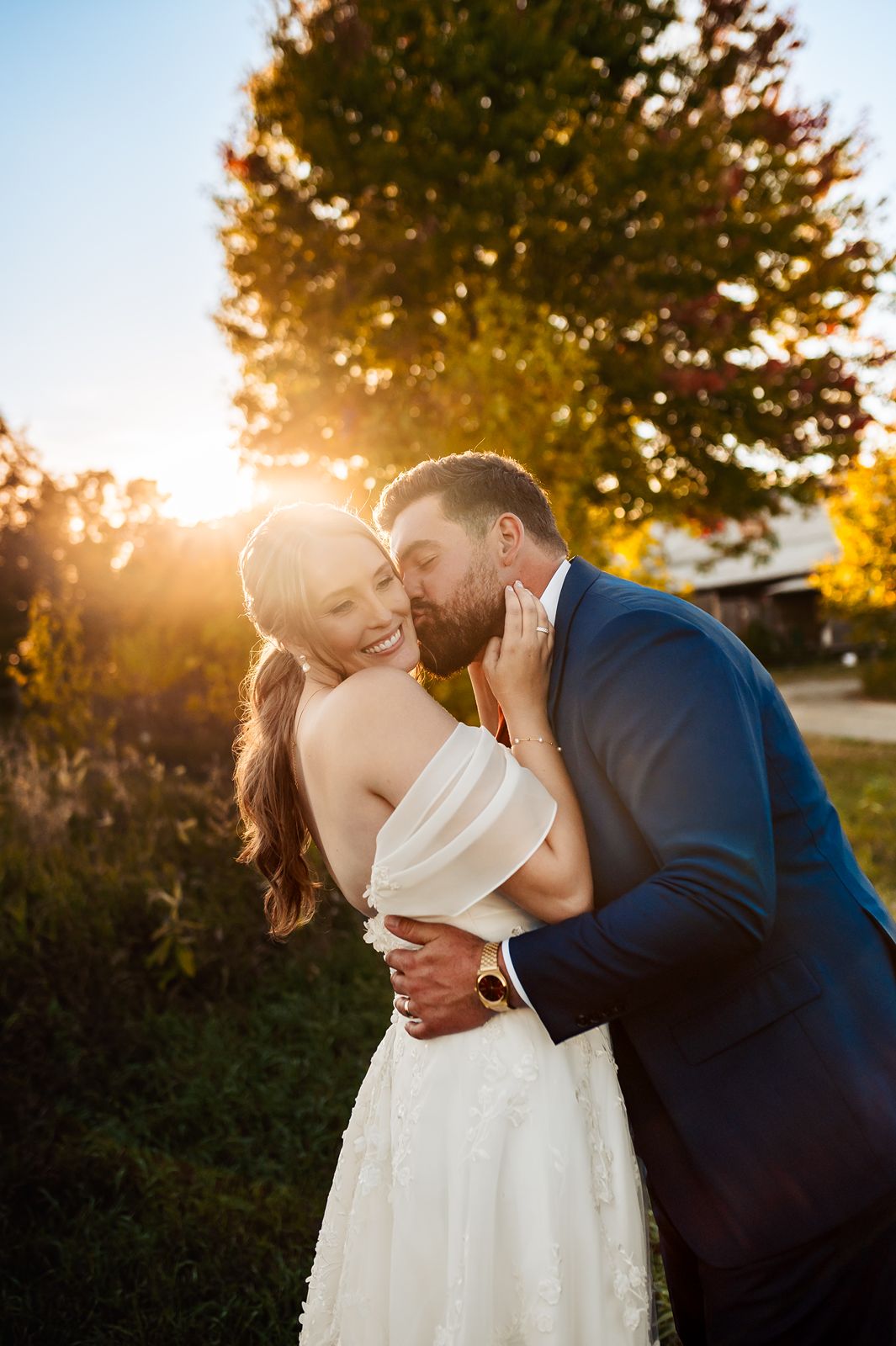
Planning your wedding day timeline is one of the most important steps in creating a relaxed and enjoyable experience for both you and your guests. In Ottawa especially, your timeline shapes how much time you have for portraits, how smoothly the day flows between locations, and how much golden-hour light you’ll be able to enjoy.
After photographing weddings across Ottawa in every season, I’ve seen how small timeline adjustments can make a big difference in how the day feels. This guide walks through what a typical Ottawa wedding timeline looks like, how sunset timing affects your schedule, and how to plan a timeline that supports both your experience and your photos.
Whether you’re planning a summer outdoor ceremony or a cozy winter celebration downtown, these suggestions will help you build a timeline that works beautifully for your day.
Ideal Ceremony Start Times for Ottawa Weddings
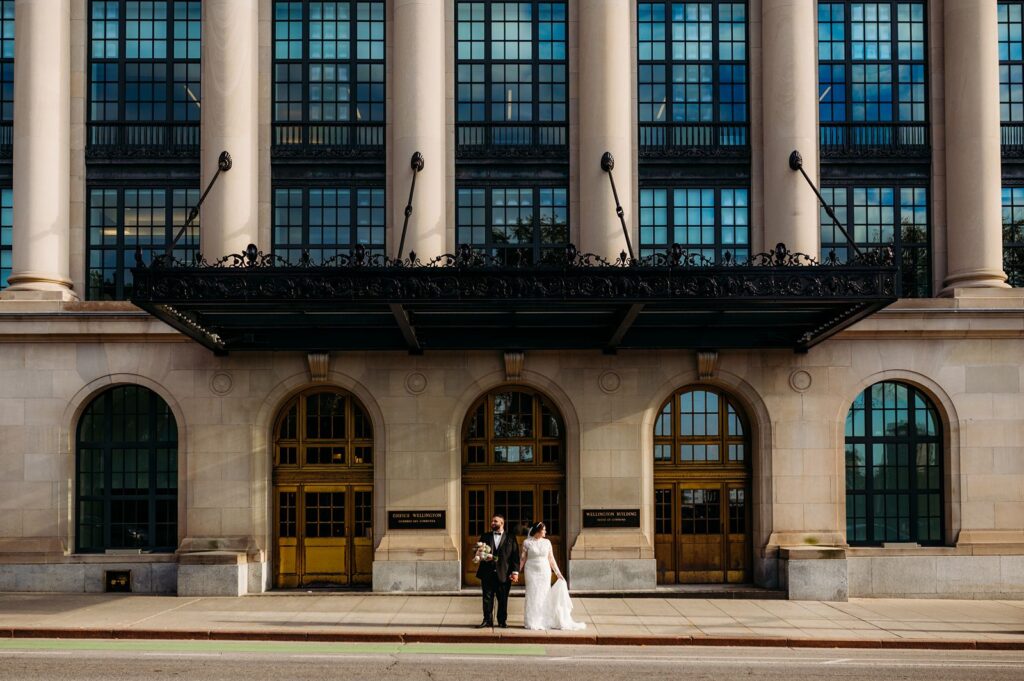
Ceremony timing is one of the biggest decisions when planning your wedding day timeline in Ottawa. In summer, ceremonies between 3:00 and 5:00 pm often allow time for portraits and golden-hour photos later in the evening. In fall and winter, earlier ceremony times usually create more flexibility before sunset.
What a Typical Ottawa Wedding Day Timeline Looks Like
Most Ottawa wedding days include getting ready coverage in the morning or early afternoon, a mid-to-late afternoon ceremony, portraits shortly afterward, and a reception that continues into the evening. When everything happens at one location, timelines tend to feel more relaxed. When ceremonies and receptions are in different places, building in travel time helps the day stay stress-free.
Why Sunset Timing Matters for Ottawa Weddings
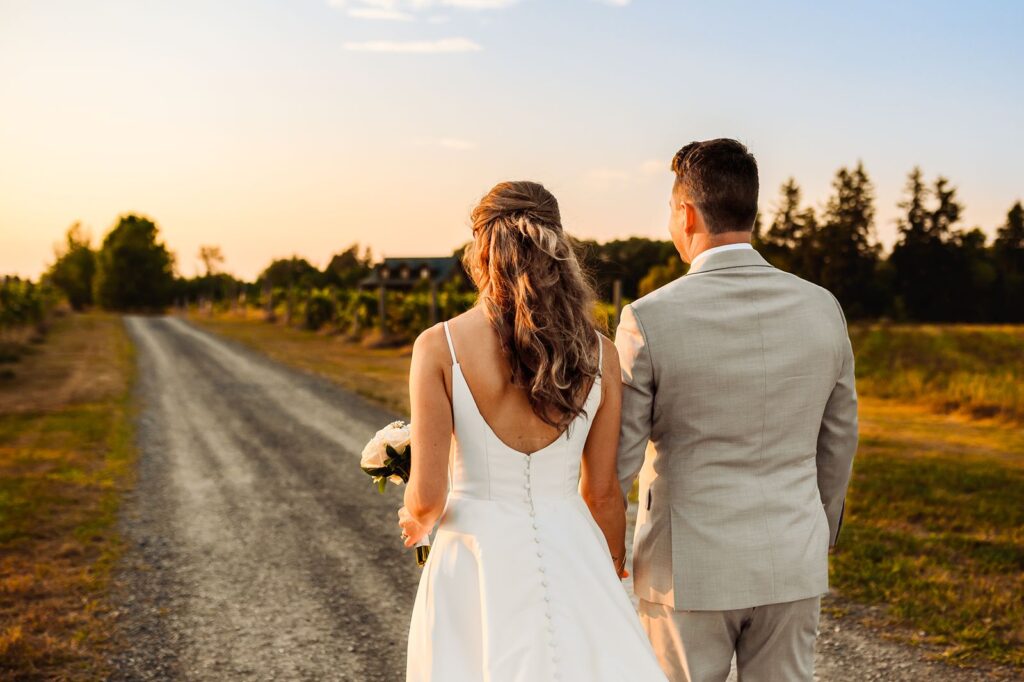
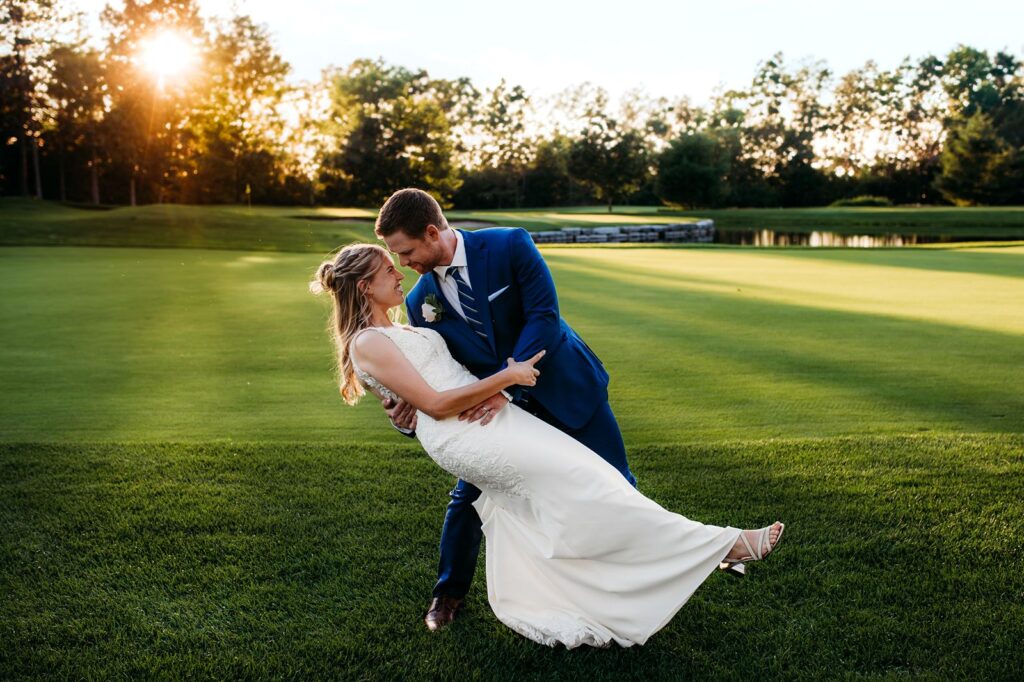
One of the biggest factors that shapes your wedding day timeline in Ottawa is sunset timing. Golden-hour portraits are often some of the most loved images in a wedding gallery, and planning a short window for them can make a big difference.
Summer weddings may have sunset after 8:30 pm, while fall weddings often see sunset closer to 6:30 pm. Winter weddings can have sunset as early as mid-afternoon. Because of this, ceremony timing and portrait planning often shift depending on the season.
Choosing a venue with easy outdoor access makes stepping away briefly for sunset portraits simple and relaxed.
Sample Summer Wedding Timeline in Ottawa
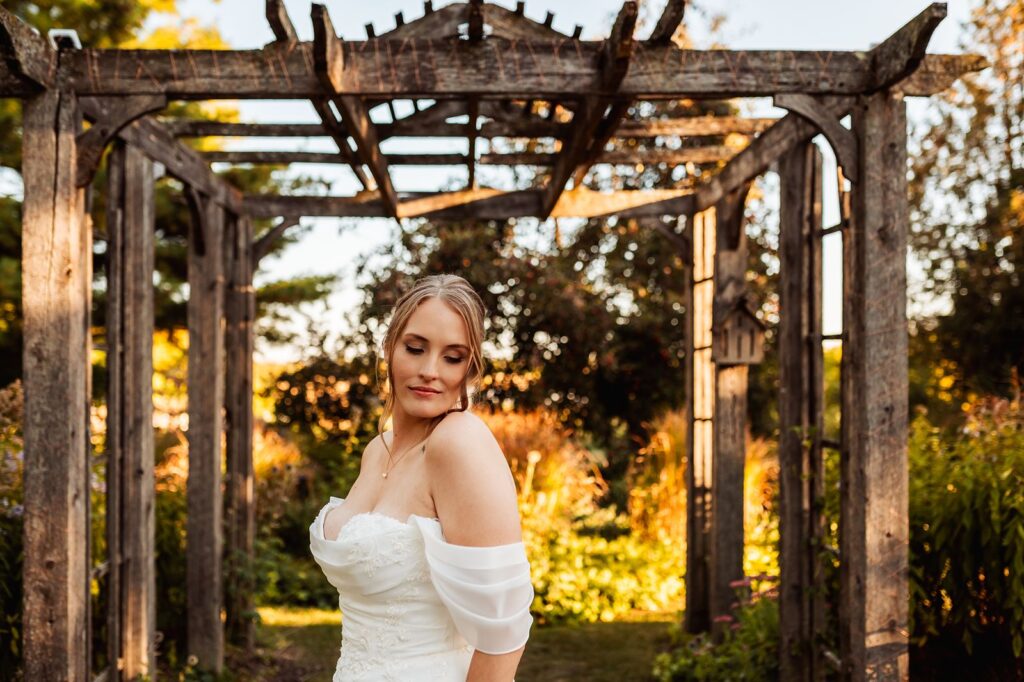
Summer weddings in Ottawa usually allow the most flexibility because the days are longer and golden hour happens later in the evening.
Example timeline:
Getting ready photos
First look (optional)
Wedding party portraits
Ceremony around 3:00–4:30 pm
Family photos after ceremony
Cocktail hour
Reception entrance
Dinner
Sunset portraits
Speeches and dancing
This structure keeps portraits relaxed while still allowing time with guests throughout the evening.
Sample Fall Wedding Timeline in Ottawa
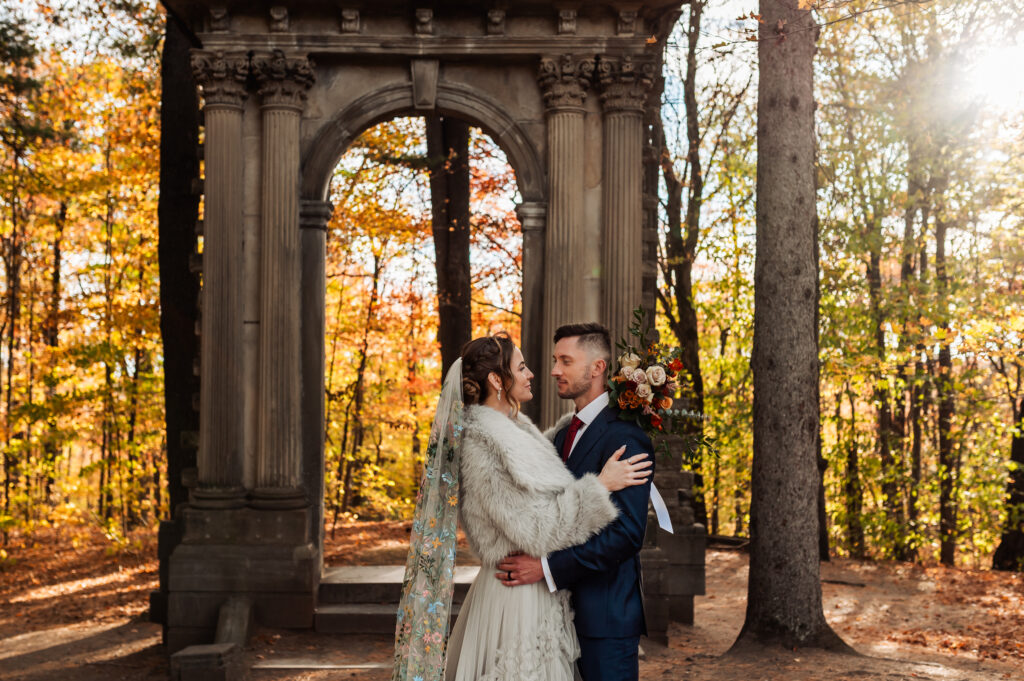
Fall weddings in Ottawa are beautiful but benefit from slightly earlier ceremony start times because sunset arrives sooner.
Planning your ceremony between 2:00 and 3:30 pm often creates the best balance between daylight portraits and evening reception coverage. Fall colour also creates some of the most beautiful portrait backdrops of the year, especially in locations like the Dominion Arboretum and Gatineau Park.
Sample Winter Wedding Timeline in Ottawa
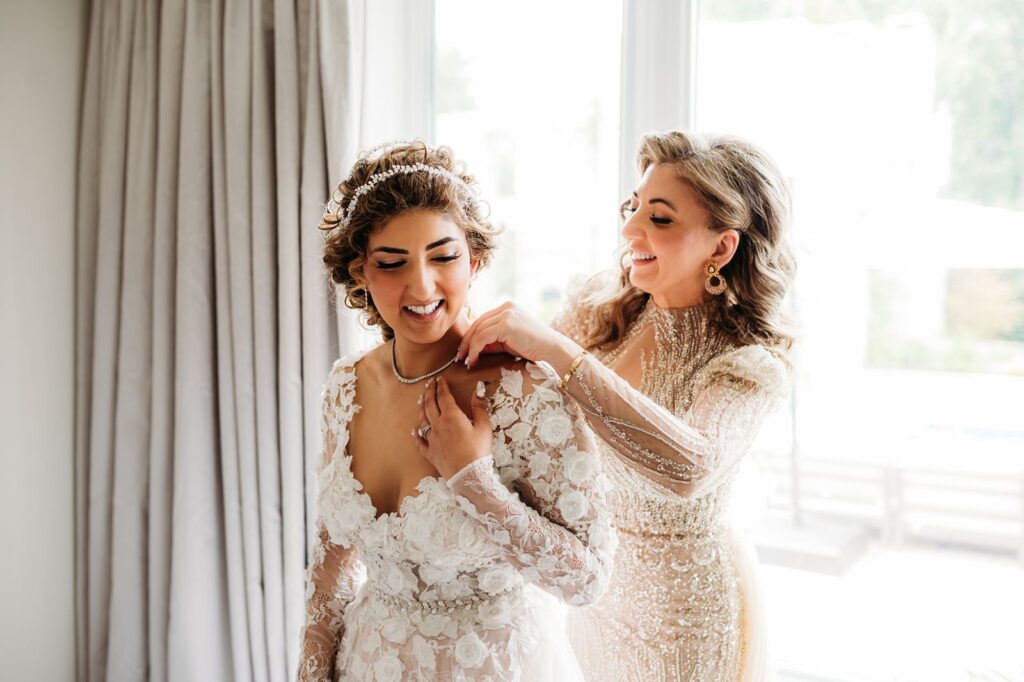
Winter wedding timelines in Ottawa usually look a little different because daylight hours are shorter. Many couples choose a first look earlier in the day so portraits can happen before sunset.
Indoor venues with large windows or covered outdoor portrait areas help keep winter timelines flexible even if temperatures are colder.
Should You Do a First Look for an Ottawa Wedding?
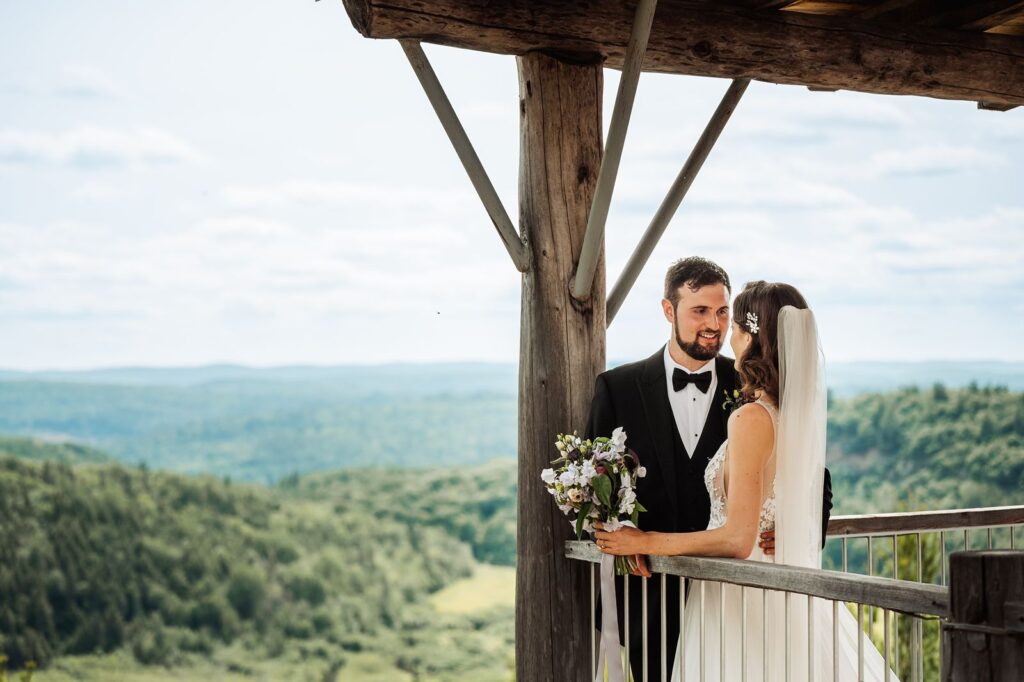
A first look can make wedding timelines feel much more relaxed, especially when ceremony and reception locations are different or when sunset happens earlier in the day.
Many couples choose a first look so they can complete wedding party portraits before the ceremony and spend more time with guests afterward. Others prefer to see each other for the first time during the ceremony for a more traditional experience. Both options work beautifully depending on the kind of day you’re planning.
How Much Time to Plan for Wedding Photos
Most couples benefit from planning at least 20–30 minutes for couple portraits and about 20 minutes for family photos after the ceremony. When everything happens at one venue, timelines often feel easier because travel between locations isn’t required.
If portraits take place at multiple locations around Ottawa, building extra time into the schedule helps keep the day relaxed and enjoyable.
Ottawa Wedding Timeline Tips From a Photographer
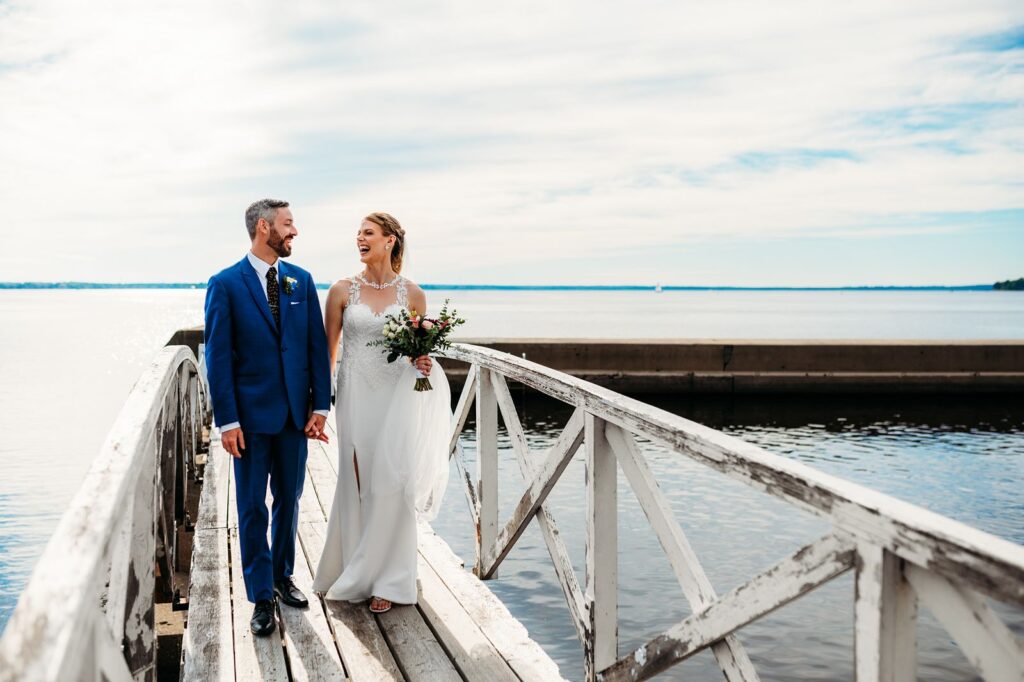
When building your timeline, it helps to leave small pockets of flexibility throughout the day. Even ten extra minutes between events can make a noticeable difference.
Choosing ceremony times that allow for natural light portraits later in the day, selecting venues with nearby portrait locations, and planning travel carefully between stops all help create a smoother experience from start to finish.
Planning Your Ottawa Wedding Timeline Around Your Venue
If you’re still deciding where to celebrate, choosing the right venue can make timeline planning much easier. You can explore some of the best wedding venues in Ottawa here.
Leave a Reply
NEXT POST
PREVIOUS POST


About Farrah
authentic, colourful Photographer
Farrah Sanjari is an award-winning Ottawa wedding photographer known for vibrant colours, genuine moments, and a calm, supportive presence. She photographs weddings throughout Ottawa, Ontario, and Quebec, capturing both the big celebrations and the quiet in-between moments that make each day unique. Her approach blends documentary storytelling with gentle direction to create images that feel natural, timeless, and true to you.
More About me


Explore
Recent Posts
Ready to work together?
Whether you’re planning your wedding or celebrating your engagement, this season deserves to be documented with care and intention. I approach every story with calm guidance and an eye for genuine connection, creating images that feel natural and true to you. Share a few details about your plans below, and I’ll be in touch soon to begin crafting something meaningful together.


Leave a Comment